
The specific problem with physio clinic operations
A physiotherapy clinic is not a dental practice or a gym. It has its own particularities that make management harder than it looks.
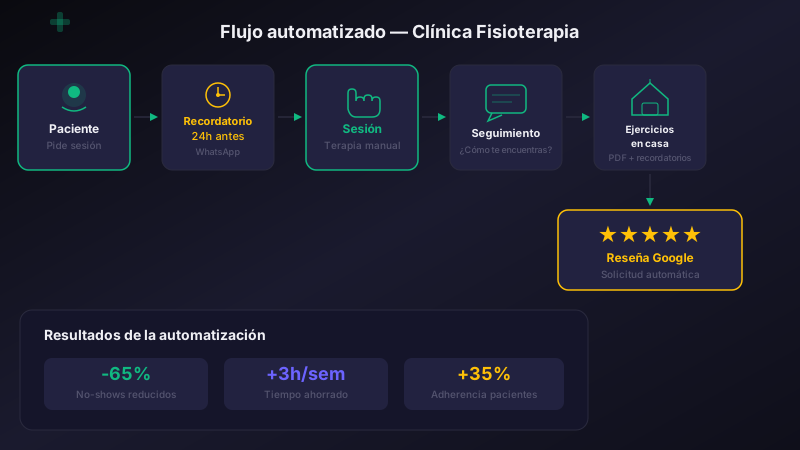
Sessions last between 30 and 60 minutes. The physiotherapist works hands-on with the patient the entire time — they can’t answer the phone, reply to messages or manage the calendar. And when one session ends, the next one starts.
The result: the schedule is managed by someone who isn’t always there. Confirmations happen by phone whenever there’s a gap. Patients who drop out mid-treatment receive no follow-up. And Google reviews stay pending indefinitely.
A cautious way to estimate it:
- No-show rate to calculate from the clinic’s own appointment data
- Average session price: €55-70
- A clinic with 8-10 sessions per day loses between €440 and €1,050 per week in empty slots with no notice
- Per month: a material potential loss that should be calculated from the clinic’s own data
That’s before counting the opportunity cost: that slot could have gone to another patient on the waiting list.
Why physios don’t automate (and why that’s a mistake)
Most physiotherapy clinics we speak to give the same answer when we raise automation: “we’re more about personal care.”
They’re right in spirit. Physiotherapy is a hands-on discipline — built on contact, trust and accompaniment. But that doesn’t mean appointment reminders, post-treatment follow-up or re-engaging lapsed patients has to be done manually.
Precisely because the physiotherapist has to be 100% focused on the patient, they have less time than anyone for admin tasks. Automating those tasks doesn’t remove the personal touch — it protects it.
4 flows worth validating
1. Automated appointment reminders for physiotherapy (to reduce avoidable no-shows)
The problem: the patient booked their appointment 5 days ago. It’s been a hectic week and they forgot. Wednesday at 11am is now an empty slot that could have gone to someone else.
How the automation works:
- 48 hours before: WhatsApp with the date, time and assigned physiotherapist. One-click button to confirm or reschedule.
- 2 hours before: short follow-up if they haven’t confirmed. If still no response, an internal notification goes out so the team can decide whether to offer the slot to someone on the waiting list.
- If they reschedule: the appointment moves in the calendar automatically and the original slot is freed up.
What to measure: confirmed appointments, reschedule requests with enough notice and empty slots the team can still reuse.
What improves: fewer manual calls and more visibility over confirmations, changes and reusable slots.
2. Post-session follow-up and treatment adherence
The problem: in physiotherapy, outcomes depend on the patient completing the full treatment plan. Without follow-up, some patients stop early because they “feel better now” or because nobody checked in.
How it works:
- 24 hours after each session: automatic message asking how they’re feeling. Reminder of any prescribed home exercises if applicable.
- If the patient goes more than a week without a booking: a follow-up message goes out. “How is the recovery going? Shall we continue with the treatment plan?”
- At the end of the treatment cycle: brief satisfaction survey and a Google review request if the rating is positive.
- If the rating is negative or they mention discomfort: immediate notification to the physiotherapist to contact them directly. No review request is sent.
What to measure: how many patients respond to follow-up and how many need a manual action from the team.
What improves: more consistent follow-up and clearer alerts when the team needs to intervene.
3. Automated patient reactivation for physiotherapy clinics
The problem: most physiotherapy clinics have between 200 and 800 patients on their database. Many came in for a one-off injury 8 months ago and haven’t been back. Nobody has time to go through the list and call them one by one.
How it works:
- The system automatically checks which patients haven’t had a session in over 3 months.
- It sends a personalised message based on the treatment they received: “Hi [name], it’s been a while. How is [your back / your knee / the post-op recovery] going? If you need a check-up or want to resume treatment, we’re here.”
- If no reply after 5 days, a second message goes out with a direct booking link.
- If they respond but don’t book, the team is notified for manual follow-up.
What to measure: how many inactive patients reply, book or ask not to receive more reminders.
What improves: the inactive-patient list is handled through a flow instead of unprioritised manual calls.
4. Managing sick-leave patients and insurer coordination
The problem: a significant segment of physiotherapy patients comes via workplace accidents, private insurers or GP referrals. These cases involve more paperwork, more coordination and more follow-up — almost always managed manually by one person.
How it works:
- At intake: a digital form collects insurance details, case reference number, referring GP and any required documentation. Data goes straight into the patient record.
- Treatment plan tracking: automatic reminder when the patient is approaching the end of their insurer-covered sessions, so the team can manage the renewal in time.
- Discharge report: automatic template with a session summary, progress notes and final recommendations — ready to send to the GP or insurer.
Expected result in a well-configured workflow: less admin time for insurer-managed cases, fewer errors, fewer calls chasing documentation and fewer payment delays.
What improves: less manual coordination in cases involving documentation, insurers or sick-leave paperwork.
Total impact in numbers
| Automation | Monthly financial impact | Time saved/week |
|---|---|---|
| Appointment reminders | Reusable slots and fewer manual confirmations | Variable by volume |
| Follow-up and adherence | More replies and clearer manual actions | Variable by workflow |
| Lapsed patient reactivation | Replies, bookings and opt-outs by cohort | Campaign-based |
| Insurer and sick-leave management | Fewer errors and clearer paperwork status | Variable by case mix |
| Total | To validate with clinic data | To validate during the trial |
The operational impact should be measured with the clinic’s own baseline before making a savings claim.
The financial case depends on the starting no-show rate, ticket size and whether the team can reuse freed slots.
What doesn’t change
Physiotherapy is hands-on care. Technique, touch, trust. Nobody automates that.
What can be automated is everything around the consultation: confirming the patient will show up, making sure they do their home exercises, reminding them they haven’t been back in 4 months, asking them to share their experience on Google if it went well.
Those tasks don’t require the physiotherapist’s presence. But they do require consistent time and attention — which the physiotherapist doesn’t have while they’re working with the next patient.
Want to see how it works for a physiotherapy clinic?
The physiotherapy page shows screenshots from a demo environment with fictional data. It helps you see how schedule, statuses, WhatsApp and setup fit together without exposing real customer data.
Or if you prefer, request a guided trial and we’ll review which workflows fit your clinic before activating the panel.
Frequently asked questions
How do you automate a physio clinic without losing the personal touch?
Automation covers everything that happens around the consultation: appointment reminders, post-treatment follow-up, patient reactivation, insurer paperwork. The session itself — the touch, the technique, the conversation — stays manual. The physiotherapist’s time is freed from admin to focus on the patient. In practice this means WhatsApp reminders 48h and 2h before each session, a follow-up message 24h after, a check-in message if the patient hasn’t returned in 3 months, and a Google review request after a positive session.
What does automated patient reactivation cost for a physiotherapy clinic?
The marginal cost is the messaging infrastructure: a few cents per WhatsApp message and the automation platform fee. The break-even point arrives quickly because reactivating even one or two lapsed patients per month at €55–70 per session more than covers the monthly setup. The real cost is the time to define the segmentation rules and the message tone — once configured, the flow runs without staff intervention.
How do automated appointment reminders for physio differ from generic reminder software?
A physiotherapy-aware setup understands that the same patient may have a 10-session treatment plan, that the physio working on Tuesday isn’t the same as Thursday, that mid-treatment dropouts need a different follow-up than first-time visitors, and that some patients come via private insurers with paperwork attached to each session. Generic reminder tools send “you have an appointment tomorrow at 10:30” and stop there. Physio-aware automation handles the rest of the lifecycle.
Can a small physiotherapy clinic afford to automate clinic admin?
A clinic with 8–10 sessions per day at €55–70 per session has more than enough margin to justify a €85–149/month automation tool — assuming it reduces no-shows and frees up time the physiotherapist would otherwise spend chasing confirmations. The trial period is the right moment to verify the numbers against the clinic’s own baseline before committing.
Related articles
- 5 processes every dental clinic should automate — The same philosophy applied to dentistry. If it works in dental, it works in physio.
- How to automatically respond to Google reviews with AI — Post-treatment follow-up generates reviews. Here we explain how to manage them effortlessly.
- Custom session management dashboard for personal trainers — Calendar, patients and sessions in one dashboard: how we do it for professionals with their own practice.