
The specific problem with physio clinic operations
A physiotherapy clinic is not a dental practice or a gym. It has its own particularities that make management harder than it looks.
Sessions last between 30 and 60 minutes. The physiotherapist works hands-on with the patient the entire time — they can’t answer the phone, reply to messages or manage the calendar. And when one session ends, the next one starts.
The result: the schedule is managed by someone who isn’t always there. Confirmations happen by phone whenever there’s a gap. Patients who drop out mid-treatment receive no follow-up. And Google reviews stay pending indefinitely.
The real numbers:
- Average no-show rate in physiotherapy: 10-15%
- Average session price: £55-70
- A clinic with 8-10 sessions per day loses between £440 and £1,050 per week in empty slots with no notice
- Per month: between £2,200 and £6,600 lost — unrecoverable
That’s before counting the opportunity cost: that slot could have gone to another patient on the waiting list.
Why physios don’t automate (and why that’s a mistake)
Most physiotherapy clinics we speak to give the same answer when we raise automation: “we’re more about personal care.”
They’re right in spirit. Physiotherapy is a hands-on discipline — built on contact, trust and accompaniment. But that doesn’t mean appointment reminders, post-treatment follow-up or re-engaging lapsed patients has to be done manually.
Precisely because the physiotherapist has to be 100% focused on the patient, they have less time than anyone for admin tasks. Automating those tasks doesn’t remove the personal touch — it protects it.
4 automations with real impact
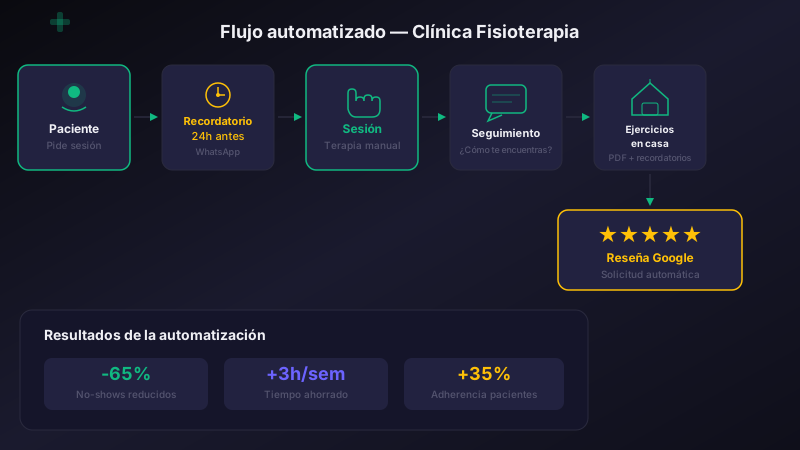
1. Appointment reminders (reducing no-shows from 12% to 3%)
The problem: the patient booked their appointment 5 days ago. It’s been a hectic week and they forgot. Wednesday at 11am is now an empty slot that could have gone to someone else.
How the automation works:
- 48 hours before: WhatsApp with the date, time and assigned physiotherapist. One-click button to confirm or reschedule.
- 2 hours before: short follow-up if they haven’t confirmed. If still no response, an internal notification goes out so the team can decide whether to offer the slot to someone on the waiting list.
- If they reschedule: the appointment moves in the calendar automatically and the original slot is freed up.
Real result: clinics that implement this go from 12% no-shows to 2-4%. In a clinic with 50 weekly sessions at £60, that’s between £240 and £480 recovered every week.
Time saved: ~3 hours per week on manual confirmation calls.
2. Post-session follow-up and treatment adherence
The problem: in physiotherapy, outcomes depend on the patient completing the full treatment plan. But between 30% and 40% drop out before finishing — through lack of follow-up, because “they feel better now”, or simply because nobody checked in.
How it works:
- 24 hours after each session: automatic message asking how they’re feeling. Reminder of any prescribed home exercises if applicable.
- If the patient goes more than a week without a booking: a follow-up message goes out. “How is the recovery going? Shall we continue with the treatment plan?”
- At the end of the treatment cycle: brief satisfaction survey and a Google review request if the rating is positive.
- If the rating is negative or they mention discomfort: immediate notification to the physiotherapist to contact them directly. No review request is sent.
Real result: dropout rate falls from 35% to 15-20%. Each patient who completes their treatment generates an average of 3-4 additional sessions — between £165 and £280 extra per patient.
Time saved: ~4 hours per week on manual follow-ups and check-in calls.
3. Reactivating lapsed patients
The problem: most physiotherapy clinics have between 200 and 800 patients on their database. Many came in for a one-off injury 8 months ago and haven’t been back. Nobody has time to go through the list and call them one by one.
How it works:
- The system automatically checks which patients haven’t had a session in over 3 months.
- It sends a personalised message based on the treatment they received: “Hi [name], it’s been a while. How is [your back / your knee / the post-op recovery] going? If you need a check-up or want to resume treatment, we’re here.”
- If no reply after 5 days, a second message goes out with a direct booking link.
- If they respond but don’t book, the team is notified for manual follow-up.
Real result: between 8% and 15% of reactivated patients book a new appointment. With a database of 400 lapsed patients, that’s between 32 and 60 new appointments — with zero acquisition cost.
Time saved: what used to take 20-30 hours of calls happens automatically overnight.
4. Managing sick-leave patients and insurer coordination
The problem: a significant segment of physiotherapy patients comes via workplace accidents, private insurers or GP referrals. These cases involve more paperwork, more coordination and more follow-up — almost always managed manually by one person.
How it works:
- At intake: a digital form collects insurance details, case reference number, referring GP and any required documentation. Data goes straight into the patient record.
- Treatment plan tracking: automatic reminder when the patient is approaching the end of their insurer-covered sessions, so the team can manage the renewal in time.
- Discharge report: automatic template with a session summary, progress notes and final recommendations — ready to send to the GP or insurer.
Real result: 60-70% reduction in admin time for insurer-managed cases. Fewer errors, fewer calls chasing documentation and fewer payment delays.
Time saved: ~5 hours per week on documentation management and insurer coordination.
Total impact in numbers
| Automation | Monthly financial impact | Time saved/week |
|---|---|---|
| Appointment reminders | +£960 to +£1,920 recovered | ~3h |
| Follow-up and adherence | +£165 to +£280 per retained patient | ~4h |
| Lapsed patient reactivation | +£1,920 to +£3,600 (quarterly campaign) | ~20h (one-off) |
| Insurer and sick-leave management | Fewer errors, faster payments | ~5h |
| Weekly total | Variable by volume | ~12h per week |
12 hours per week is 48 hours per month. That’s more than a full week of admin work per year eliminated or delegated to an automated system.
The financial case: just cutting no-shows by half in a mid-sized physio clinic pays for the system several months in advance.
What doesn’t change
Physiotherapy is hands-on care. Technique, touch, trust. Nobody automates that.
What can be automated is everything around the consultation: confirming the patient will show up, making sure they do their home exercises, reminding them they haven’t been back in 4 months, asking them to share their experience on Google if it went well.
Those tasks don’t require the physiotherapist’s presence. But they do require consistent time and attention — which the physiotherapist doesn’t have while they’re working with the next patient.
Want to see how it works in a real physio clinic?
We have a live demo based on FisioVida, a model clinic we used to build these workflows. You can see it right now and understand exactly how each automation works.
Or if you prefer, book a free 30-minute audit and we’ll tell you exactly which processes you can automate at your clinic and how much time you’ll get back.
Related articles
- 5 processes every dental clinic should automate — The same philosophy applied to dentistry. If it works in dental, it works in physio.
- How to automatically respond to Google reviews with AI — Post-treatment follow-up generates reviews. Here we explain how to manage them effortlessly.
- Custom session management dashboard for personal trainers — Calendar, patients and sessions in one dashboard: how we do it for professionals with their own practice.