
The problem with dental clinic operations
Most dental clinics run with a small team. The front desk handles appointments, calls, follow-ups, payments and forms manually. When patient volume grows, so does the chaos.
The result: patients who don’t show up, reviews nobody replies to, treatments that get abandoned, and hours wasted on repetitive tasks.
These are the 5 processes with the biggest impact when automated.
1. Appointment reminders (24h + 2h before)
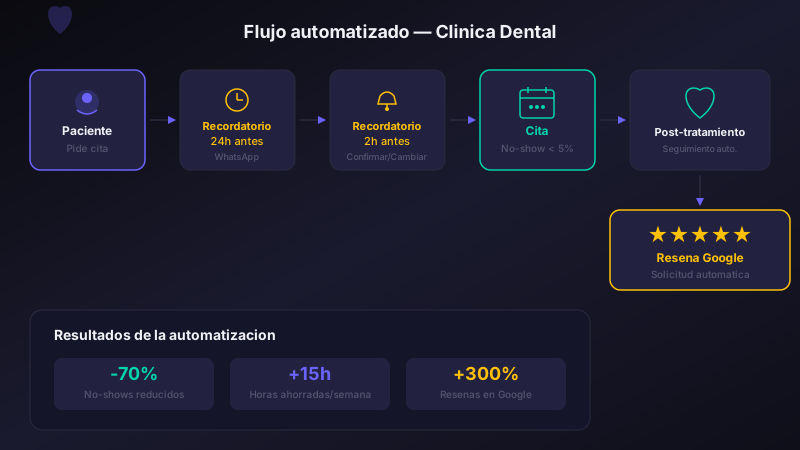
The problem: 15-25% of patients don’t show up. Every empty slot is lost revenue and a disrupted schedule.
How the automation works:
- 24 hours before: the system sends a WhatsApp with date, time and practitioner. Includes a button to confirm or reschedule.
- 2 hours before: short second reminder. If the patient hasn’t confirmed, the front desk gets notified to decide whether to reassign the slot.
It connects directly to the clinic’s management software. No manual work.
Time saved: ~4 hours per week on confirmation calls. No-show rate drops to 5-8%.
2. Post-treatment follow-up + Google review
The problem: follow-up after major treatments (root canals, implants, orthodontics) depends on someone remembering to call. And asking for Google reviews almost never happens systematically.
How it works:
- 24-48h after treatment: automatic WhatsApp asking how the patient is doing. Personalised care instructions based on treatment type.
- 7 days later: second follow-up message. If the response is positive, a direct link to the Google Maps listing is sent to leave a review.
- If the response is negative: the practitioner is notified to follow up directly. No review request is sent.
Time saved: ~3 hours per week. Clinics go from 2-3 reviews per month to 15-20.
3. Patient reactivation after 6+ months
The problem: most clinics have hundreds of patients who never came back after their last treatment. Nobody has time to go through the database and call them one by one.
How it works:
- The system automatically checks which patients haven’t visited in over 6 months.
- Sends a personalised WhatsApp: “Hi [name], it’s been a while since your last visit. Shall we book you in for a check-up?” with a direct booking link.
- If no reply in 7 days, a second message goes out with an incentive (free cleaning, discount on check-up).
- Those who respond are channelled directly into the calendar.
Time saved: ~2 hours per week. Typical reactivation rate: 12-18% of contacted patients.
4. Insurance and payment reminders
The problem: managing instalment payments, outstanding balances and dental insurance expiry dates is constant admin work that eats time and creates awkward conversations.
How it works:
- Instalment payments: automatic reminder 3 days before each due date. If unpaid, second notice at 5 days.
- Dental insurance: notification to the patient 30 days before their cover expires, suggesting pending treatments they can still get covered.
- Invoices: automatic email after each visit, with a breakdown of what’s covered by insurance and what’s outstanding.
Time saved: ~3 hours per week in admin. 60-70% reduction in late payments.
5. Digital patient intake form
The problem: new patients arrive 10 minutes early and fill out a paper form. The receptionist then types it all into the system. Duplicate work, transcription errors and wasted time.
How it works:
- When booking, the patient receives a link to a digital form: personal details, medical history, allergies, current medication, dental insurance.
- Data is validated automatically and synced to the clinic’s management software before they arrive.
- The practitioner has all the information before the patient sits in the chair.
Time saved: ~5 minutes per new patient. For a clinic with 20 new patients a month, that’s over 90 minutes of admin work eliminated.
Total impact
Adding up all 5 processes:
| Process | Time saved/week |
|---|---|
| Appointment reminders | ~4h |
| Follow-up + reviews | ~3h |
| Patient reactivation | ~2h |
| Payments and insurance | ~3h |
| Intake form | ~1.5h |
| Total | ~13.5h per week |
That’s over 15 hours per week including error handling and rework. Half a receptionist’s time, dedicated entirely to tasks a machine does better.
And the personal touch doesn’t disappear. It frees up the team to focus on what actually matters — the patient in front of them.
Want to automate your dental clinic?
We implement these 5 processes in dental clinics in under two weeks. No changes to your current software, no technical headaches, ongoing support included.
Related articles
- Custom session management dashboard for personal trainers — Another real case of automation for professionals with their own schedule: same philosophy, different sector.
- How to automatically respond to Google reviews with AI — Post-treatment follow-up generates reviews. Here we explain how to respond to them automatically with AI.
Book a free audit and we’ll show you exactly which processes you can automate and how much time you’ll get back.