The silent problem in aesthetics clinics
A botox treatment costs between €200 and €400. A hyaluronic acid filler, between €300 and €500. A deep facial, at least €150.
When that client doesn’t show up, it isn’t just a gap in the diary — it’s a real financial hit that no small clinic can afford to ignore.
And yet, most aesthetics centres in Spain still manage their appointments manually: WhatsApp messages, paper diaries, confirmation calls. The result is frequent no-shows, clients who “will call back” to rebook and maintenance treatments abandoned without any follow-up.
Automation solves exactly this problem.
Why aesthetics needs automation more than most sectors
In a dental clinic or medical practice, the patient has an urgent need. In aesthetics, treatments are largely elective — and that means motivation can cool between sessions.
The client who booked a chemical peel three weeks ago may no longer remember why they did it. The one who completed a radiofrequency course needs a nudge to continue maintenance. The first-time botox client has questions about when to return.
Without active follow-up, that client simply doesn’t come back — and acquiring a new client costs five to seven times more than retaining an existing one.
The 4 automations that make the difference
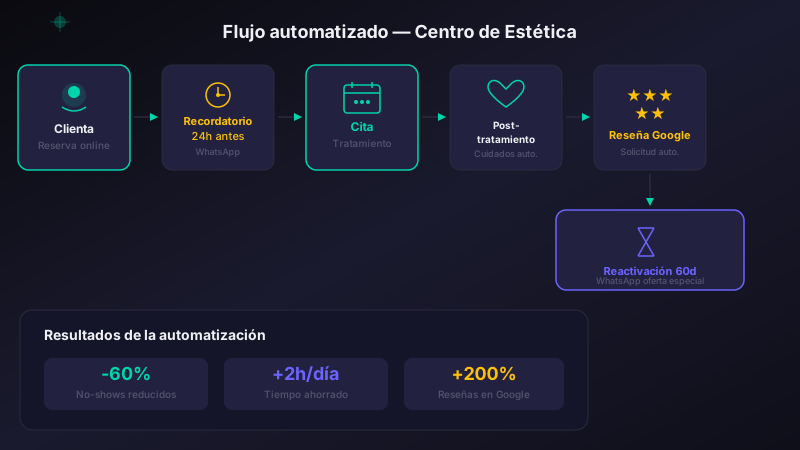
1. Appointment reminders: double impact (24h + 2h before)
The problem: high-value treatments are booked weeks in advance. By the time the appointment comes around, life has moved on and the booking is forgotten.
How it works:
- 24 hours before: an automatic WhatsApp with the date, time, treatment type and therapist’s name. Includes a one-tap option to confirm or reschedule.
- 2 hours before: a brief reminder. If the client hasn’t confirmed, the system alerts the centre so they can manage the slot.
Real impact: clinics using double reminders reduce their no-show rate from 20–25% down to 5–8%. For a clinic averaging 4 treatments per day at €200 each, that’s up to €1,200 recovered per week.
2. Post-treatment follow-up + Google review
The problem: the client leaves satisfied, but the clinic fails to capitalise on that moment of maximum satisfaction.
How it works:
- 24h after treatment: an automatic message asking how they feel and whether they have any questions about aftercare.
- 72h after: if the response was positive, a direct link to Google to leave a review — no friction, no one having to ask in person.
- If there’s an issue: the system alerts the team to contact the client personally.
Why it matters: 85% of consumers check reviews before choosing an aesthetics centre. Every new review improves Google Maps ranking and lowers the cost of acquiring new clients.
3. Dormant client reactivation
The problem: maintenance treatments (hydration, mesotherapy, fillers) require periodic return visits. But without follow-up, clients simply don’t come back — and end up at a competitor.
How it works:
- The system detects clients with no appointment in the last 60–90 days (configurable by treatment type).
- It sends a personalised message: “It’s been X weeks since your last [treatment] session. Would you like us to book your maintenance appointment?”
- Includes a direct link to the booking form.
Result: between 15% and 30% of reactivated clients book an appointment within 48 hours. No cold calls, no manual effort.
4. Post-service upsell: from facial to full treatment plan
The problem: many clients come in for lower-priced treatments and never discover the rest of the menu.
How it works:
- 7–14 days after a basic treatment, the system sends a relevant proposal based on the service received: “Great to hear your facial went well — many of our clients combine it with mesotherapy for even better results.”
- The message includes a first-time offer or an invitation for a free consultation.
Why it works: contextual, personalised upsells convert three to five times better than generic advertising. And it comes from an existing client relationship, not a cold ad.
What doesn’t change: the personal touch
Automating doesn’t mean dehumanising. The goal is for the team to spend their time on what matters — the consultation, the treatment, the client relationship — while the system handles repetitive tasks and follow-ups.
Messages are personalised with the client’s name, treatment type and therapist’s name. You define the tone. The client feels cared for, because they are — it just doesn’t have to be done by hand.
How long does it take to set up?
At Ackmode we configure the full system in less than a week. No need to change the software you already use, no technical training for the team and no complicated integration costs.
By month one, the system runs itself. By month two, the numbers speak for themselves.
Want to see how it would look in your clinic?
Request a free demo — in 30 minutes we’ll show you the system running with real data.
Or calculate the direct financial impact with our automation calculator.